Species Guides
Read reliable identification cues, habitat notes and care guidance before making a keep-or-release decision.
Open the guide ↗Field notes · low light · freshwater
Practical guides, mobile field tools and responsible night-fishing methods for anglers who want to read the water without leaving a trace.
Explore the Guides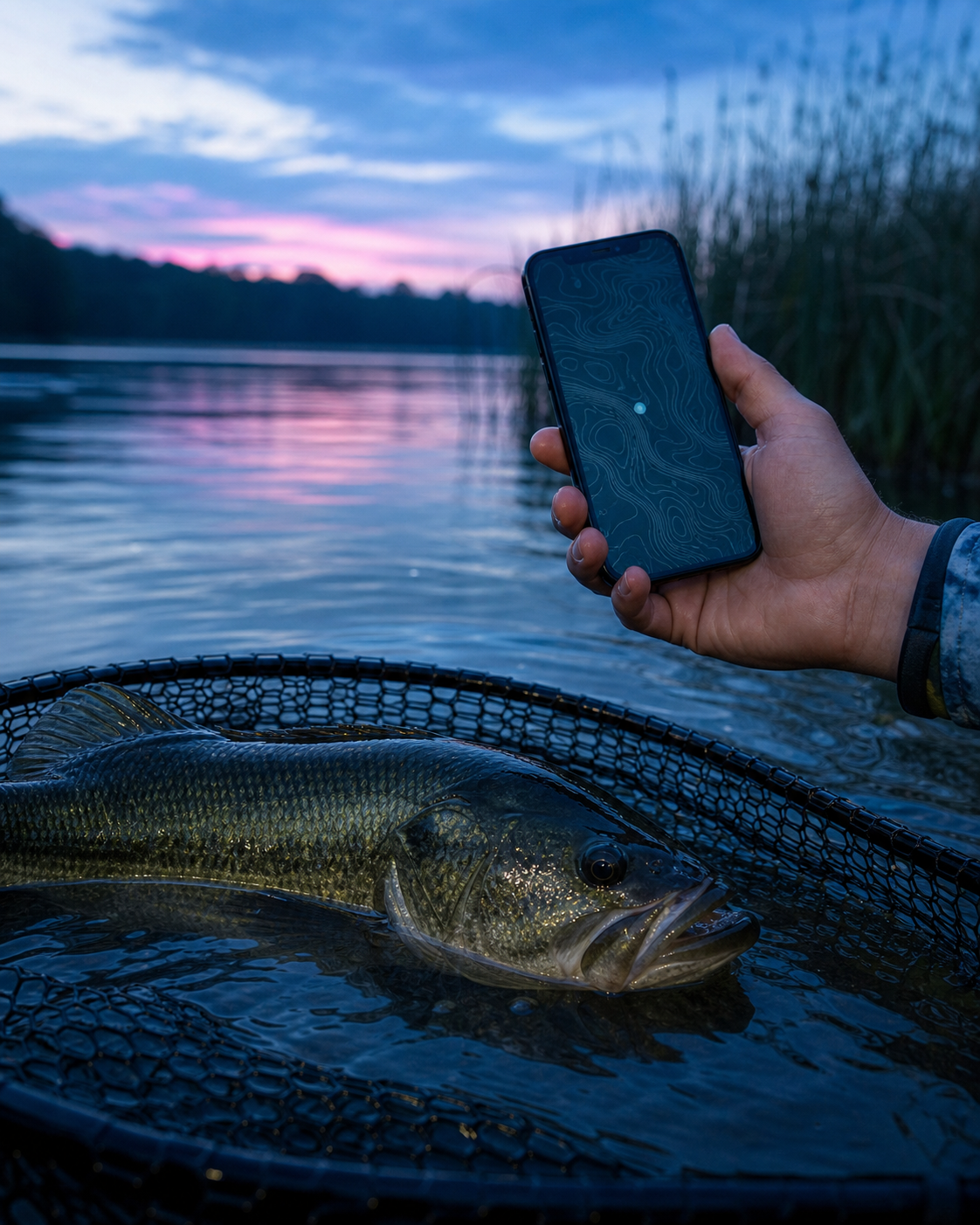
Start here
Choose by the question you need to answer before the light fades.
Read reliable identification cues, habitat notes and care guidance before making a keep-or-release decision.
Open the guide ↗Plan around visibility, weather, access and a methodical search instead of a one-size-fits-all formula.
Open the guide ↗Use maps, forecasts, water data and catch notes as field aids—with offline backups and clear limits.
Open the guide ↗Featured stories
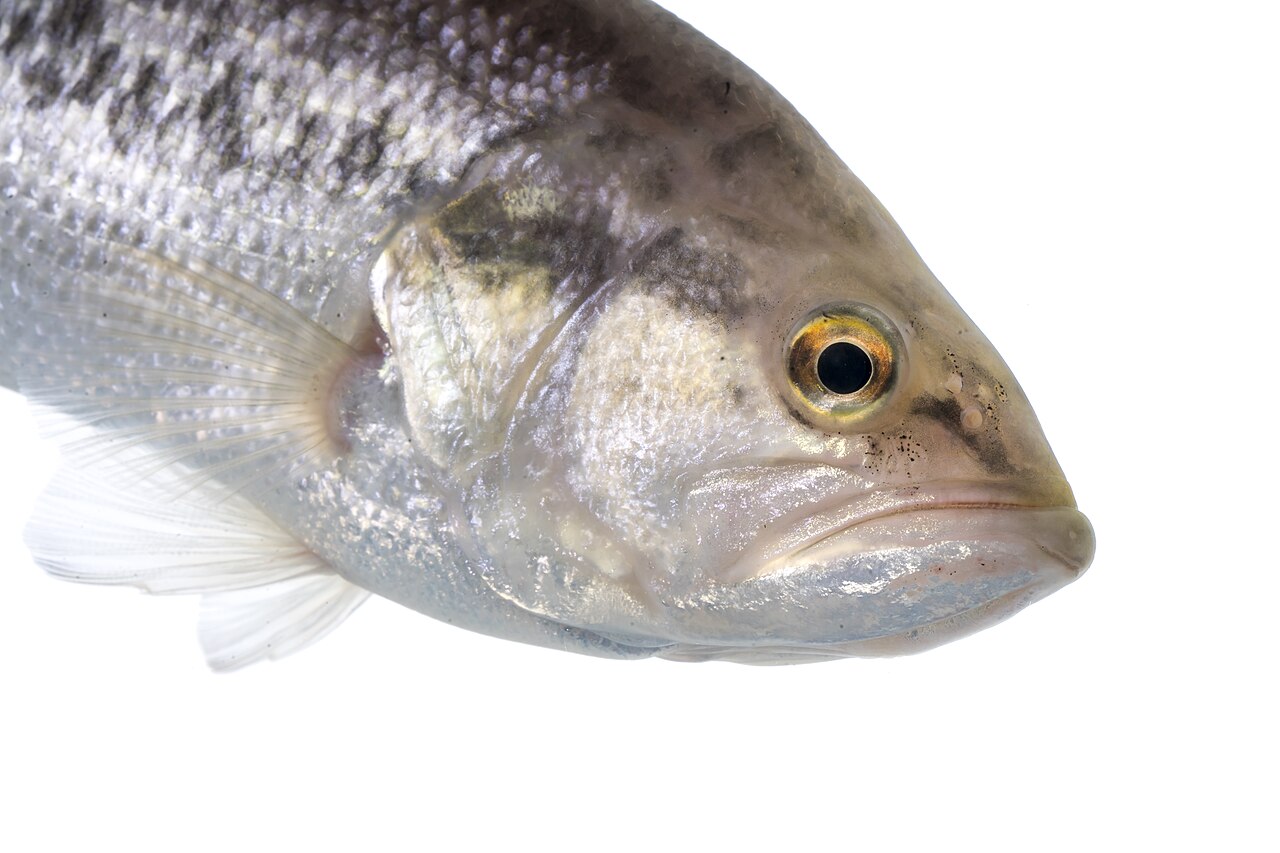
A conditions-first framework for thinking about cover, prey and low-light movement without turning tendencies into promises.
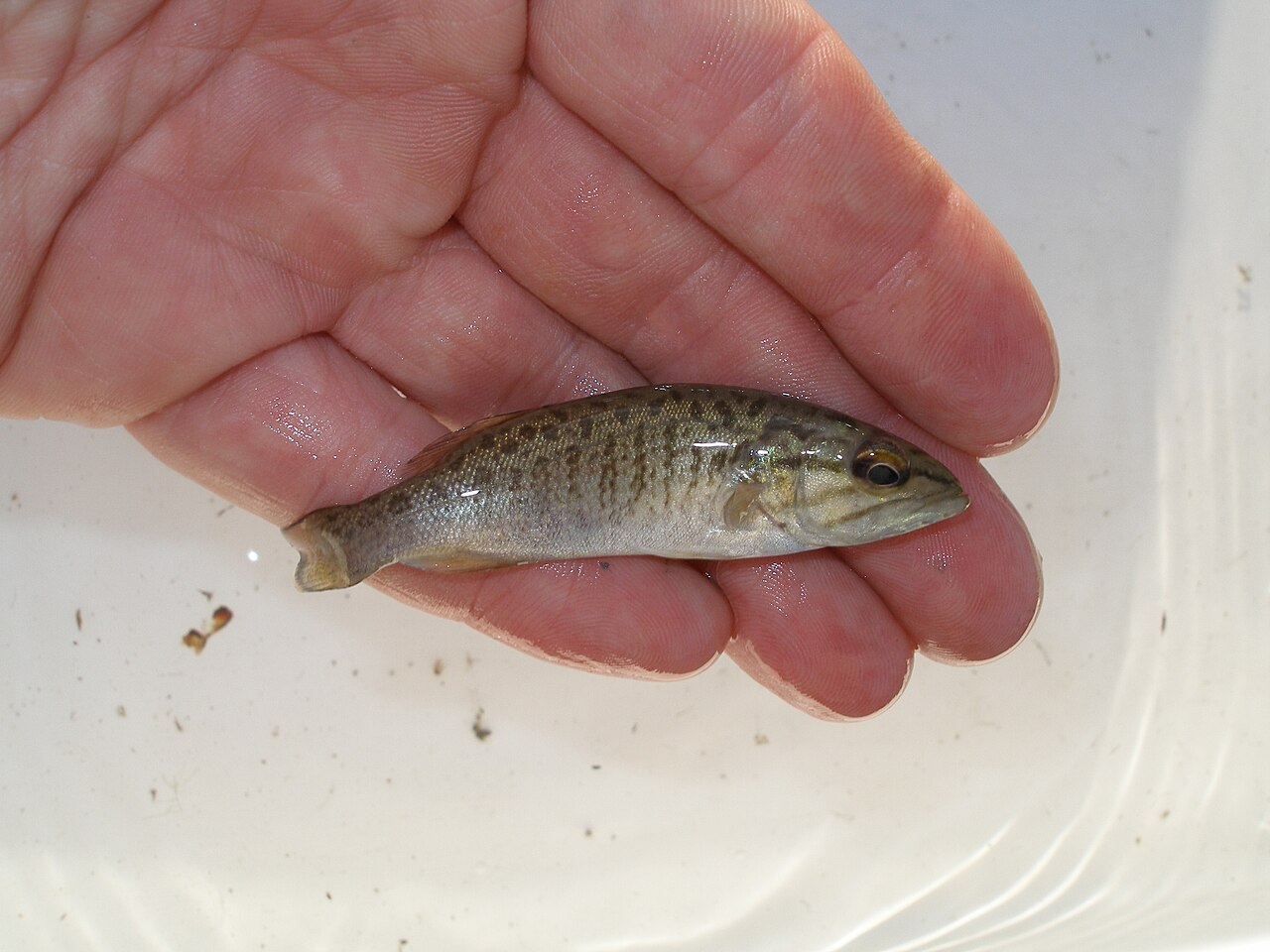
A practical way to choose by depth, cover and feedback—without a magic-color checklist.
Dim screens, offline preparation and a backup plan make a phone more useful—and less distracting—after dark.
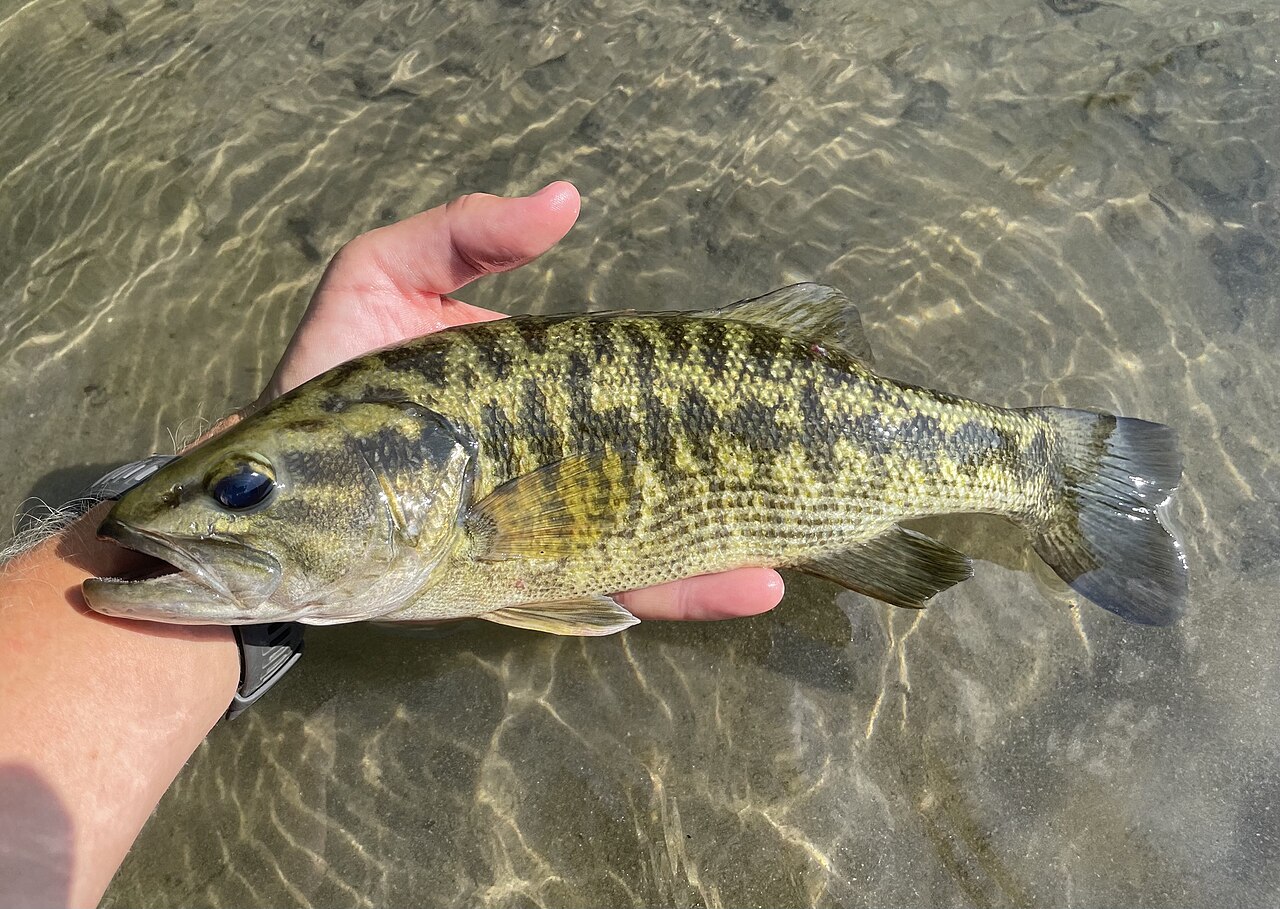
Plan the photo before lifting the fish, support it horizontally and keep air exposure short.
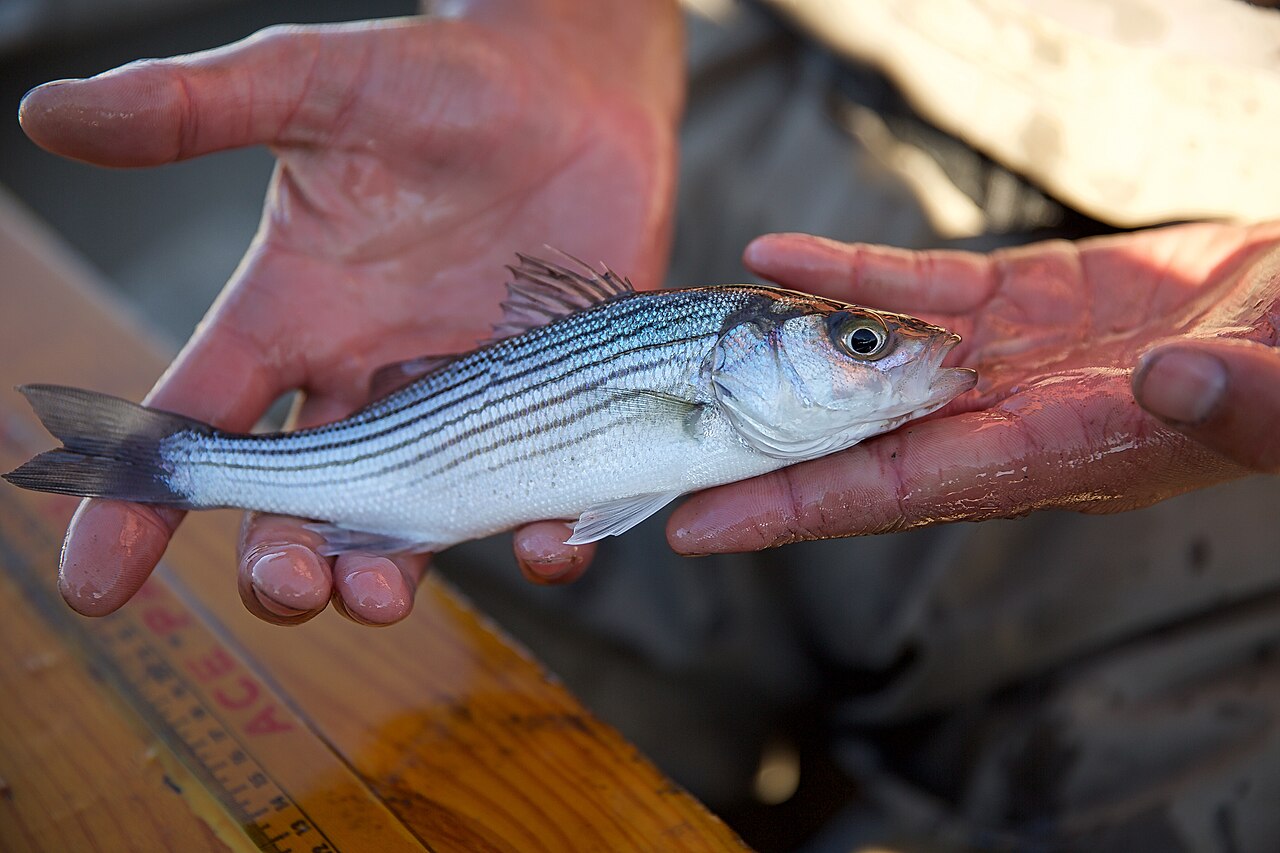
Use the forecast, live observations and official water data as a go/no-go system—not as a bite prediction.
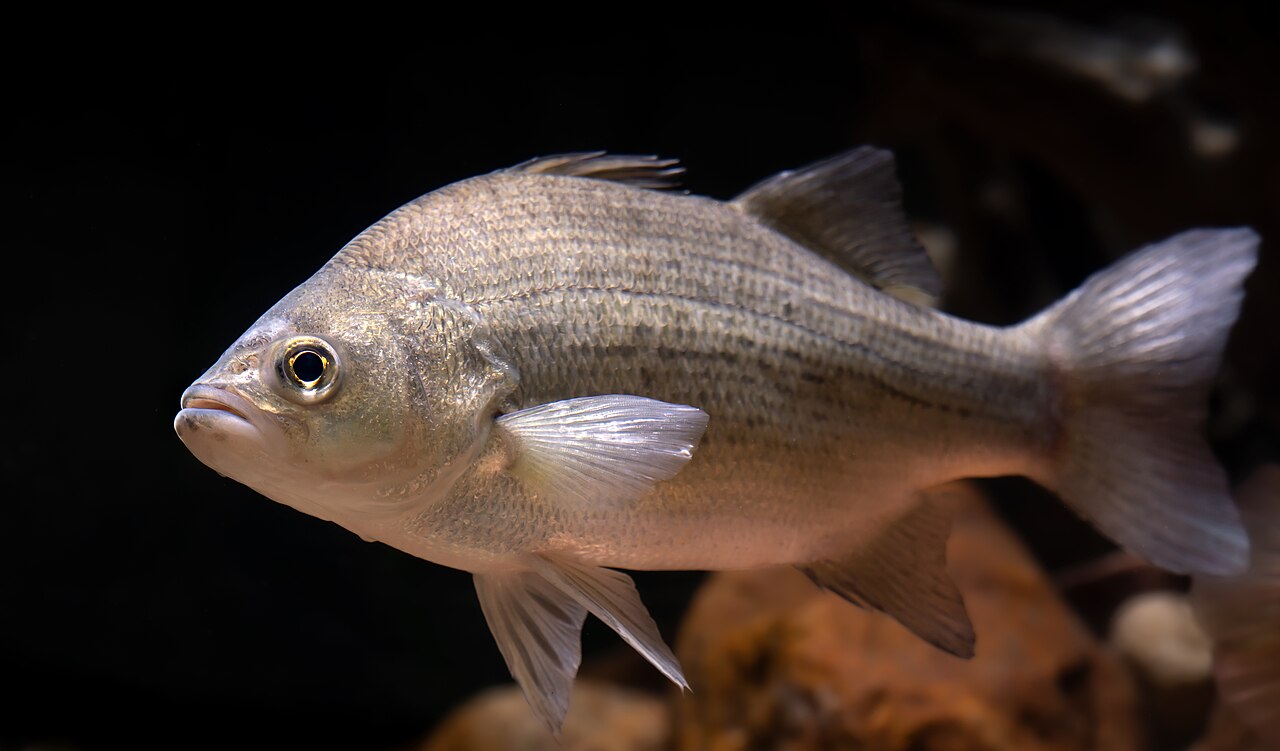
A compact system for light, flotation, weather, organization and phone power.
Field identification
The first four are black bass; striped and white bass belong to the temperate-bass family. Identification and regulations are always location-specific.
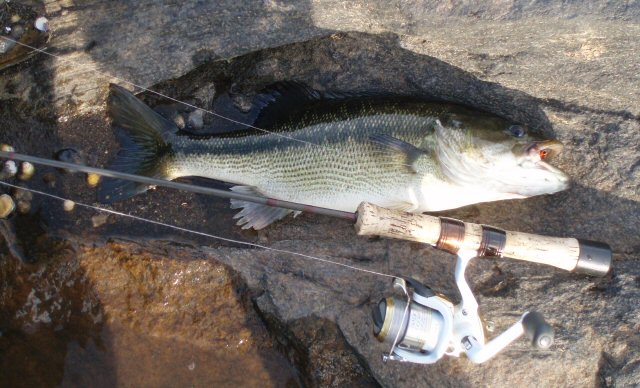
Mobile tools on the water
This is an editorial overview of tool categories—not a list of invented products. We point readers toward public data and official services where possible.
Review the categoriesDownload permitted access and contour references before departure. A map does not replace signs, closures or local knowledge.
Use an official forecast and radar. Stop for thunder; a phone is information, not shelter.
Record conditions and handling details without publishing sensitive habitat coordinates.
Compare physical traits with wildlife-agency guidance; do not let an image guess decide legal harvest.
Dim the display, waterproof the device and carry an independent light, power and route backup.
Pack in systems
Redundancy is useful after dark: independent light, power, flotation, communication and a conservative exit plan.
Hands-free primary light, a separate backup and spare power. Keep brightness task-specific.
Mark exits in daylight, reduce deck and shoreline clutter, and stop before conditions deteriorate.
Wear forecast-ready layers and secure footwear; pack for the temperature after midnight, not only at launch.
Rig early, shield sharp points and keep cutters and dehooking tools reachable without searching.
Use a water-resistant case and charged power bank, while treating the phone as one layer of the plan.
Check access hours, licenses, waterbody exceptions and current species rules before each trip.
Conservation
Prepare the camera while the fish stays supported in the water. Wet hands, use a rubberized net, hold horizontally and keep air exposure brief. Protect access points by carrying out line and litter, and check local restrictions before every trip.
How we test and research
This launch edition is source-reviewed. It does not claim field tests that did not happen. When genuine field notes are added, they must name the contributor and record the place, date, weather, water conditions, device state and method.
Read the editorial policyWildlife agencies, weather services, parks, waterways and conservation bodies.
Direct observations are dated and never presented as universal outcomes.
Current rules and on-water conditions override general editorial guidance.
Material changes receive an update date and correction note.
Common questions
Quick orientation for planning a responsible first night session.
It can be approached responsibly, but darkness adds navigation, weather and visibility risks. Plan the route, fish with a partner when practical, share a return time, carry independent lights and leave immediately for safe shelter when thunder threatens.
Requirements depend on jurisdiction and whether you fish from shore or a boat. A properly fitted life jacket, primary and backup lights, weather layers, first aid, water, organized tackle and a communication plan are a sound baseline; verify local legal equipment separately.
Largemouth, smallmouth, spotted and other bass may feed in low light, while striped and white bass can move with schools of prey. There is no universal schedule: season, water temperature, current, habitat and forage matter.
A phone can hold agency identification pages and photographs, but an automated guess should never decide whether a fish is legal to keep. Check physical traits against the current guidance from the wildlife agency responsible for that water.
Prepare the camera first, wet your hands, support the fish horizontally close to the water and keep the lift brief. Return it upright and let it swim away under its own power. Skip the photograph if it cannot be made quickly.
Use the current website or printed regulations of the state, provincial, tribal or national agency managing the water. Check waterbody exceptions, seasons, access hours, permits and species-specific limits before every trip.
About the editorial team
Night Angler Journal is presented as a pre-publication editorial project owned by Night Angler Journal Media LLC. Because named contributors have not yet been verified, this edition uses accountable desk bylines instead of fictional people.
Editorial responsibility sits with the Bass & Habitat, Night Techniques, Mobile Field Tools, and Conservation & Standards desks. A real editor must approve and replace the demonstration company details before launch.
Published 18 August 2026 · Updated 24 August 2026
Meet the publication